Salah wardi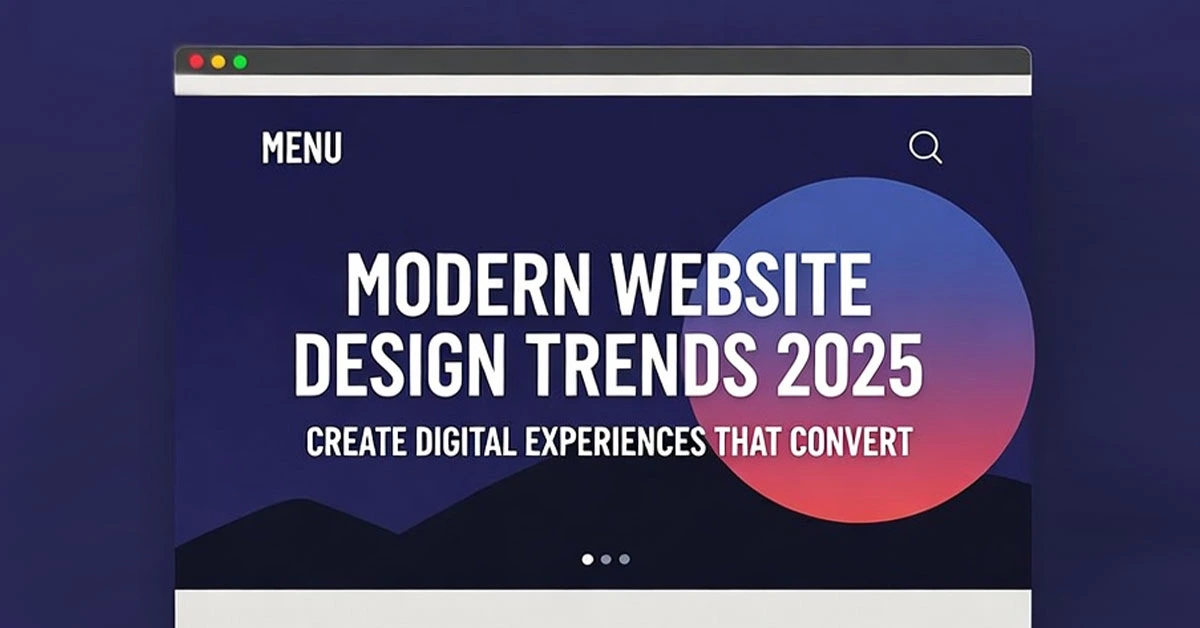
2025 website design trends and implementation strategies
The digital landscape is constantly evolving, and 2025 brings exciting new trends that blend aesthetics with functionality. This comprehensive guide explores the most impactful website design trends, providing practical insights and implementation strategies to help you create modern, effective digital experiences.
Dark Mode Evolution: Beyond Basic Color Inversion
Dark mode has matured from a simple feature to a sophisticated design system that enhances user experience and reduces eye strain.
Advanced Dark Mode Implementation
Dynamic Theme Switching: Seamless transitions between light and dark modes
Context-Aware Dark Mode: Automatic adjustment based on ambient light
Custom Dark Palettes: Beyond simple inversion with carefully crafted dark colors
Accessibility Considerations: Maintaining contrast and readability in dark themes
Implementation Best Practices
Creating effective dark mode experiences requires careful planning:
Use CSS custom properties for theme management
Implement smooth transitions and animations
Consider user preferences and system settings
Test across different devices and lighting conditions
Immersive 3D Elements and WebGL Experiences
Advanced 3D graphics are becoming more accessible, allowing designers to create immersive experiences that were previously impossible on the web.
WebGL and Three.js Integration
Performance Optimization: Balancing visual quality with loading times
Progressive Enhancement: Graceful fallbacks for less capable devices
Interactive 3D Elements: Product visualizations and interactive scenes
Accessibility Considerations: Providing alternatives for 3D content
Practical Applications
Implementing 3D elements effectively:
Product configurators and virtual showrooms
Interactive data visualizations
Immersive storytelling experiences
Background elements and decorative animations
AI-Powered Personalization and Dynamic Content
Artificial intelligence is transforming how websites adapt to individual users, creating personalized experiences at scale.
Intelligent Content Delivery
Behavior-Based Recommendations: Content tailored to user interactions
Adaptive Interfaces: Layouts that change based on user preferences
Predictive Search: AI-enhanced search experiences
Dynamic Copy and Messaging: Content that adapts to user context
Advanced Microinteractions and Fluid Animations
Microinteractions have evolved from simple hover effects to sophisticated animations that guide users and provide meaningful feedback.
Purpose-Driven Animation
Functional Animations: Animations that serve clear purposes
Performance-First Approach: Smooth animations that don't compromise speed
Contextual Feedback: Animations that respond to user actions
Accessible Motion: Respecting user motion preferences
This comprehensive exploration of 2025 design trends provides the foundation for creating modern, effective websites that engage users and drive results.
Posted in Web Design