Salah wardi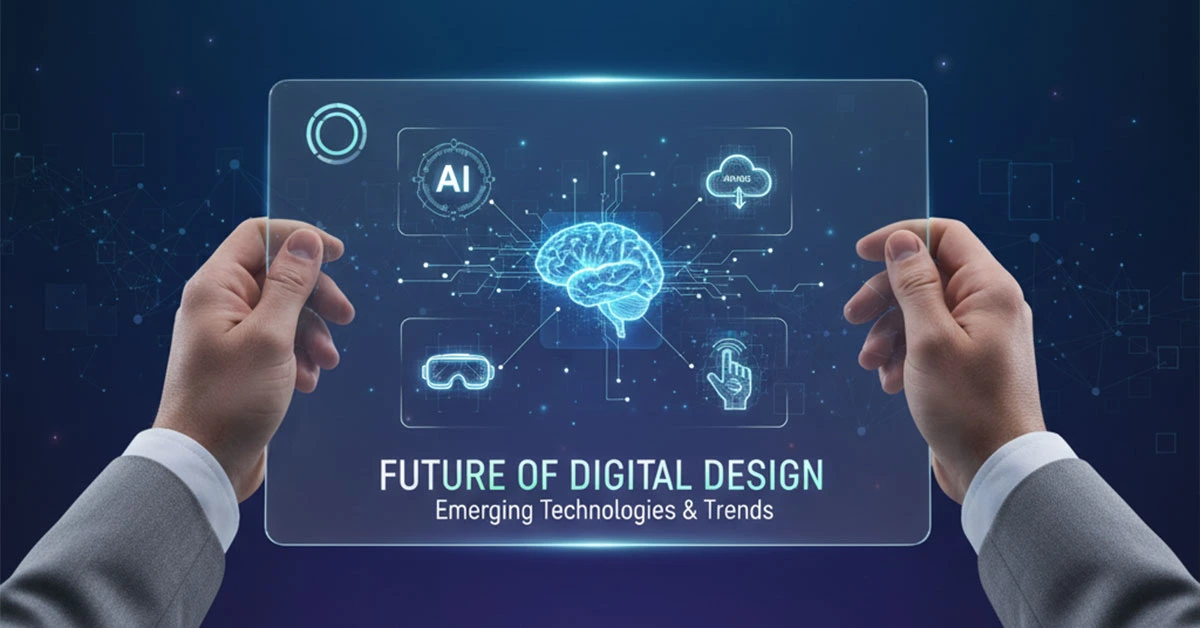
Future of Digital Design: Emerging Technologies & Trends
The digital design landscape is undergoing rapid transformation driven by technological advancements, changing user expectations, and new interaction paradigms. This comprehensive exploration examines the forces shaping the future of digital design and provides insights into how designers can prepare for the coming changes.
Artificial Intelligence and Machine Learning in Design
AI is transitioning from a buzzword to an integral part of the design workflow, augmenting human creativity and automating routine tasks.
AI-Powered Design Tools and Workflows
Generative Design Systems: AI algorithms that generate multiple design solutions based on constraints
Intelligent Layout and Composition: Automated layout systems that adapt to content and context
Content-Aware Design Tools: Tools that understand content meaning and suggest appropriate treatments
Predictive User Experience: Systems that anticipate user needs and adapt interfaces accordingly
Ethical Considerations in AI Design
Navigating the ethical challenges of AI-powered design:
Bias and Fairness: Ensuring AI systems don't perpetuate or amplify existing biases
Transparency and Explainability: Making AI decisions understandable to users
User Agency and Control: Maintaining user control in AI-driven experiences
Privacy and Data Ethics: Responsible handling of user data in AI systems
Immersive Technologies: AR, VR, and Spatial Computing
Augmented Reality Design Principles
Designing for blended digital and physical experiences:
Context-Aware Interfaces: Designs that respond to physical environment and user context
Spatial Interaction Patterns: New interaction models for 3D space
Performance and Accessibility: Ensuring AR experiences work across device capabilities
Ethical Spatial Design: Considerations for privacy and social acceptance in shared spaces
Virtual Reality and Metaverse Design
Creating compelling experiences in fully digital environments:
Presence and Immersion: Techniques for creating believable virtual worlds
Avatar and Identity Design: Designing digital representations of users
Social Interaction Patterns: Facilitating meaningful interactions between users
Cross-Platform Consistency: Maintaining experience quality across different VR platforms
Voice and Conversational Interfaces
Designing for Voice-First Experiences
Creating intuitive experiences without visual interfaces:
Conversational Design Patterns: Structuring dialogues that feel natural and efficient
Personality and Tone Design: Creating appropriate voice personalities for different contexts
Error Recovery and Help Systems: Designing graceful failure states and assistance
Multi-Modal Experiences: Combining voice with other interaction methods
Ethical and Sustainable Design
Digital Sustainability Practices
Reducing the environmental impact of digital products:
Performance and Efficiency: Designing for minimal energy consumption
Sustainable Business Models: Creating products that encourage sustainable behaviors
Longevity and Maintenance: Designing products that last and can be updated
Environmental Impact Measurement: Tools and methods for assessing digital sustainability
Ethical Design Frameworks
Building products that respect users and society:
Human-Centered Values: Putting human wellbeing at the center of design decisions
Transparency and Honesty: Being clear about how products work and make money
Addiction and Attention Economy: Designing for user wellbeing rather than engagement at any cost
Accessibility as a Right: Treating accessibility as a fundamental requirement, not an add-on
Preparing for the Future: Skills and Mindset
Evolving Design Skillset
The skills designers need to thrive in the coming years:
Technical Literacy: Understanding the capabilities and limitations of emerging technologies
Systems Thinking: Designing for complex, interconnected systems rather than isolated products
Ethical Reasoning: The ability to navigate complex ethical dilemmas in design
Cross-Disciplinary Collaboration: Working effectively with diverse teams and perspectives
Lifelong Learning Strategies
Staying current in a rapidly changing field:
Continuous Skill Development: Regular learning and skill updates
Community Engagement: Participating in design communities and knowledge sharing
Experimental Mindset: Willingness to try new approaches and learn from failure
Future Forecasting: Developing the ability to anticipate and prepare for coming changes
The future of digital design is bright but complex, filled with both exciting opportunities and significant responsibilities. By understanding these emerging trends and developing the skills to navigate them, designers can help shape a digital future that is more human-centered, ethical, and sustainable.
Posted in Web Design